


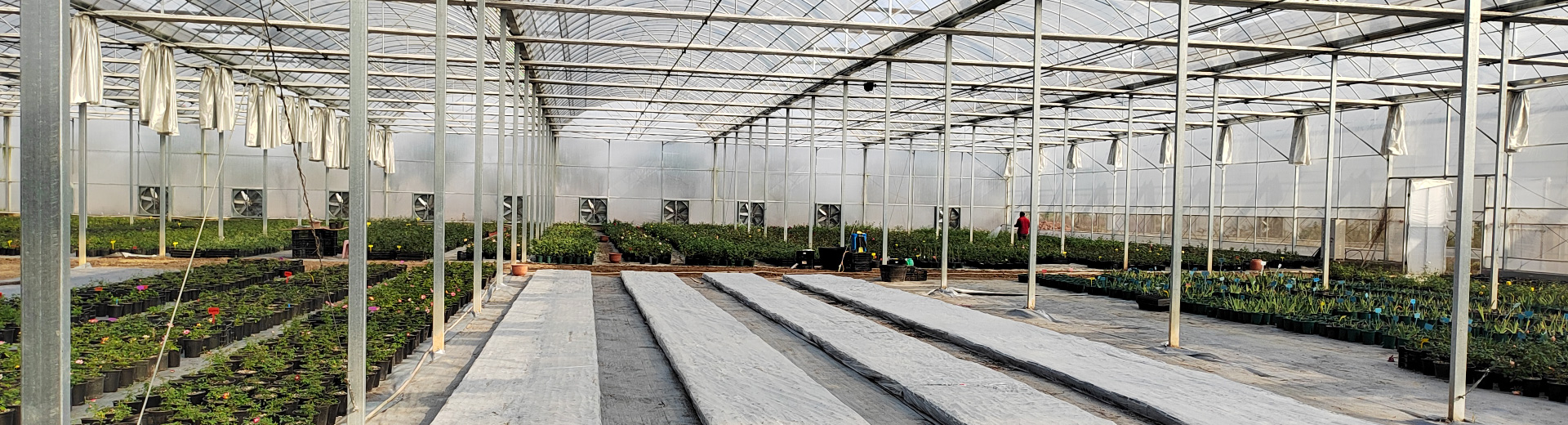
Lagerstroemia, commonly known as the Crape Myrtle, is one of the world’s most beloved ornamental plants. It is not just an iconic tree of Southern gardens; it is a highly adaptable, rewarding, and low-maintenance plant that deserves widespread cultivation in any climatically suitable region. For suppliers and horticulturists seeking reliable, beautiful, and hassle-free plant material, the Crape Myrtle is undoubtedly a star in your product lineup.
1. Unmatched, Extended Bloom Season
The greatest allure of the Crape Myrtle lies in its stunningly extended bloom season.
-
Summer Star: When many spring-flowering shrubs and trees have faded, the Crape Myrtle truly begins to shine. It typically flowers from early summer well into autumn, with the blooming period often lasting over 100 days.
-
Color Explosion: Its ruffled flowers, delicate like crepe paper, range in color from pure white, pinks, brilliant reds, to deep purples, providing a continuous and spectacular visual impact throughout the hottest months.
2. Robust Adaptability and Disease Resistance
Crape Myrtles are renowned for their hardiness, making them an ideal choice for gardeners.
-
Heat and Drought Tolerant: They are extremely heat-tolerant and drought-resistant. Once established, they have a high tolerance for water scarcity, making them perfectly suited for arid or hot summer regions.
-
Low Maintenance: Many modern cultivated varieties boast excellent resistance to powdery mildew (one of the most common ailments for this species). They generally require minimal pruning and care to thrive.
3. Year-Round Ornamental Interest
The Crape Myrtle is not just eye-catching in the summer; it offers unique ornamental value in other seasons too.
-
Vibrant Autumn Foliage: In the fall, the leaves of many varieties transform into a spectacular display of orange, red, or golden yellow, providing the garden with another season of color.
-
Mesmerizing Bark: In winter, after the leaves drop, the Crape Myrtle reveals its distinctive bark. The peeling, mottled bark on many varieties exposes the smooth, cinnamon or gray-colored trunk underneath, creating a captivating, sculptural beauty.
4. Versatile Sizes and Applications
The variety of Crape Myrtle cultivars is vast, allowing them to fit virtually any landscaping need.
| Size Category | Typical Height | Landscape Use |
| Dwarf/Groundcover | 0.3 – 1 meter (1-3 ft) | Containers, border edges, small gardens |
| Shrub Type | 1 – 3 meters (3-10 ft) | Screens, borders, large containers |
| Small Tree Type | 3 – 6+ meters (10-20+ ft) | Garden focal points, street trees, light shade |
Whether it’s a compact city patio or an expansive landscape project, there is always a Crape Myrtle that fits the bill.
Conclusion: Crape Myrtle is an Investment
For suppliers, promoting the Crape Myrtle means offering a plant that is:
-
High in demand due to its incredible summer bloom.
-
High-survival and low-maintenance, ensuring customer satisfaction.
-
A star product with year-round selling points (summer flowers, autumn color, winter bark).
The vitality, beauty, and adaptability of the Crape Myrtle make it an indispensable addition to any landscape design. It’s time for your customers to introduce this “Southern Queen” into their gardens and enjoy months of brilliant color!