


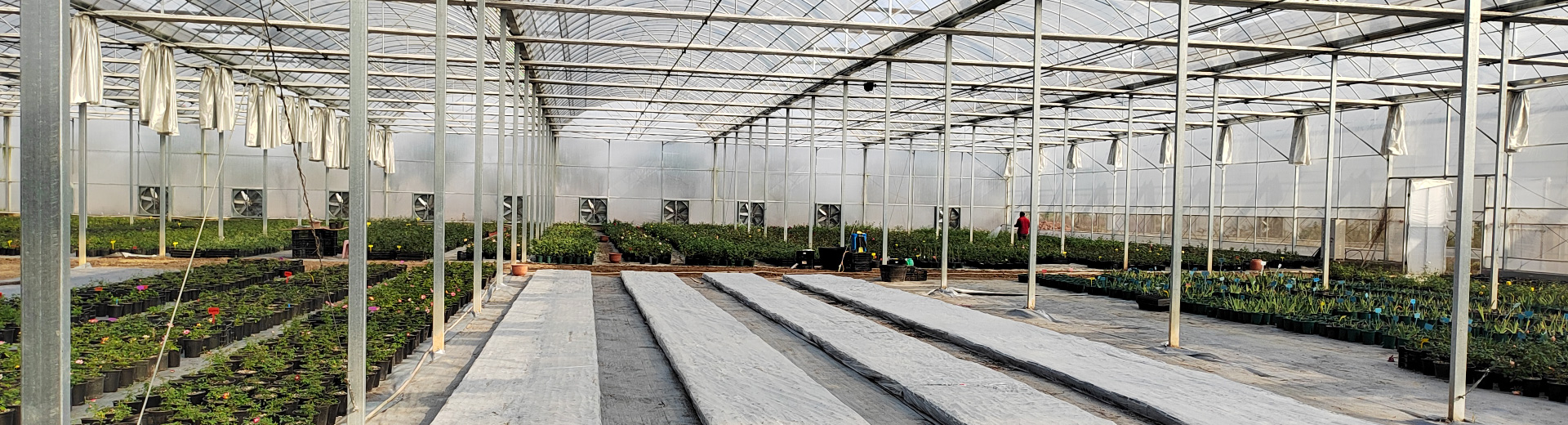
Magnolia trees are popular for their stunning blooms, elegant structure, and strong landscape value. Whether you’re a nursery owner, landscaper, or large-scale planting contractor, purchasing Magnolia tree roots in bulk can save costs and ensure consistent quality for your planting projects. However, not all tree roots are created equal — careful evaluation before purchase is critical to long-term success.
In this guide, we’ll walk through the key factors to consider when buying Magnolia tree roots in bulk, so you make informed decisions and achieve high survival and growth rates.
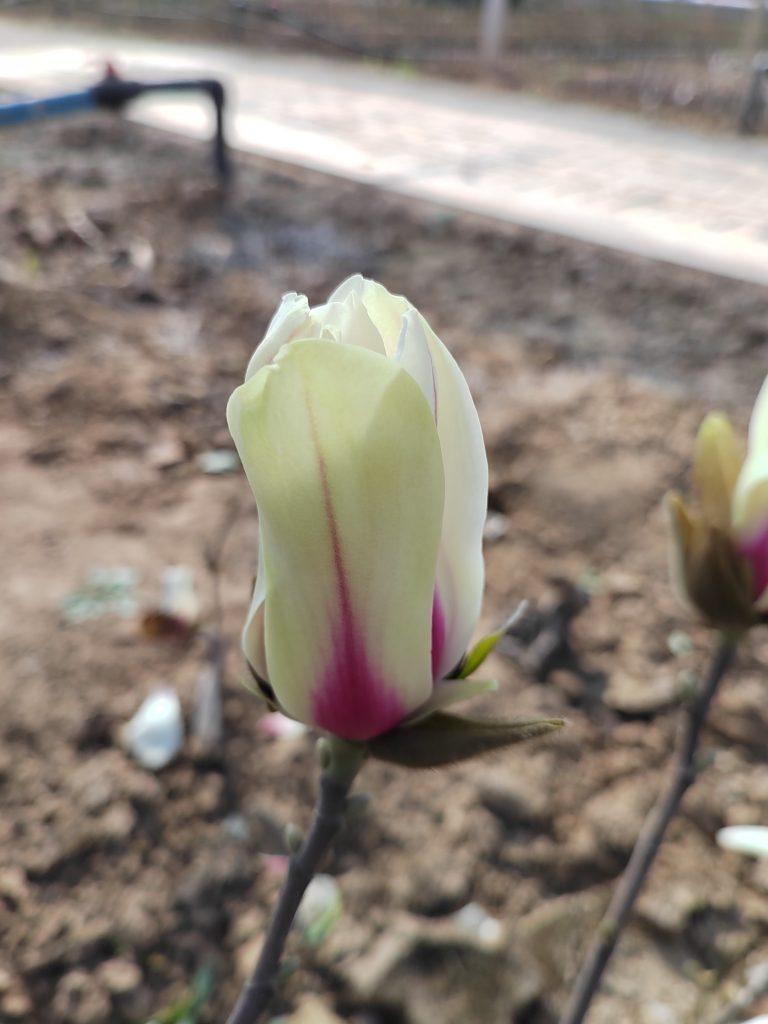
1. Root Quality and Structure
When sourcing Magnolia tree roots, quality starts at the root system.
Healthy, Well-Developed Roots
Look for roots that are:
- Thick and robust, with multiple lateral branches
- Moist, but not waterlogged or rotten
- Free from cracks, mechanical damage or fungal infection
A strong root structure supports rapid establishment, nutrient absorption, and early growth after planting.
2. Bare Root vs. Container-Grown Roots
Magnolia roots are typically sold as either bare root or container-grown.
Bare Root Advantages
- Lower cost per unit when buying in bulk
- Easy for transport and storage
- Less transplant shock when planted promptly
Container-Grown Roots Benefits
- Root system remains intact
- Reduced drying risk
- Faster initial growth after transplant
Recommendation:
If your project involves mechanized or large-area planting, bare root Magnolia roots in bulk provide flexibility and cost efficiency, provided proper handling.
3. Variety and Genetic Consistency
Not all Magnolia species are suitable for every climate or project type. When buying in bulk, ensure:
Clear Variety Identification:
-
Magnolia ‘Betty’ — Cold-hardy variety with deep pink-purple blooms and compact growth
-
Magnolia ‘Susan’ — Late-blooming hybrid with rich reddish-purple flowers, ideal for cooler climates
-
Magnolia ‘Black Tulip’ — Large, dark wine-colored tulip-shaped flowers with strong ornamental impact
-
Magnolia ‘Jane’ — Hardy, slow-growing variety with soft pink blooms, suitable for urban landscaping
-
Magnolia Sunrise — Bright yellow blooms with red-pink edges, rare and premium ornamental variety
-
Magnolia ‘Genie’ — Upright growth habit with deep burgundy flowers, excellent for modern landscapes
-
Magnolia ‘Cleopatra’ — Large crimson-red flowers with glossy foliage, strong visual appeal
Genetic Consistency:
Consistent varieties ensure uniform growth, bloom timing, and landscape appeal — vital for professional planting projects or commercial landscaping.
4. Root Size, Grade & Standards
Magnolia tree roots come in different grades (root diameter, length, root mass).
Size and Grade Considerations:
- Larger roots generally promote stronger initial growth
- Medium grades are often more cost-effective for mass plantings
- Check for any loose or broken roots
Pro Tip:
Ask your supplier for grading specifications to ensure a uniform root size in your bulk order.
5. Soil and Handling Conditions at Source
The condition of the nursery soil and how roots are lifted influence root health.
Good Nursery Practice Includes:
- Well-drained, fertile nursery soil
- Roots lifted during optimal seasons
- Proper cleaning of soil w/o mechanical damage
- Immediate packaging after lifting
Avoid suppliers who keep roots exposed for long periods — this increases desiccation and damage risk.
6. Packing & Transportation Quality
In bulk orders, packing and logistics become crucial:
- Roots should be packed with moist medium (e.g., peat moss)
- Air-tight wrapping to prevent drying
- Fast shipping and tracking
- Clear labeling of quantity and grade
Reliable logistics reduce drying, breakage, and transplant shock on arrival.
7. Supplier Reliability & After-Sale Support
A professional Magnolia nursery should offer:
- Clear origin and variety certification
- Bulk discount pricing
- Availability of planting and maintenance advice
- Return or replacement policies for damaged stock
- Seasonal availability forecasting
Check reviews, references, and past project success when choosing bulk suppliers.
8. Price vs. Value — Don’t Sacrifice Quality
While competitive pricing is important, low cost should never outweigh root quality.
Value Indicators:
- Consistent root size and structure
- Healthy root mass w/o discoloration
- Supplier transparency
- Proven performance in previous bulk orders
High-quality roots lead to higher survival rates, faster establishment, and ultimately lower replanting costs.
Conclusion
Buying Magnolia tree roots in bulk can be a cost-effective and strategic choice for large projects, nurseries, and landscaping professionals — as long as you inspect the quality, variety, and handling practices before purchase. By evaluating root structure, proper grading, genetic consistency, packing logistics, and supplier reliability, you’re laying the foundation for strong, beautiful Magnolia trees that thrive in their new environment.
If you’re sourcing Magnolia roots for planting or resale, choose a supplier who stands behind their product with quality, transparency, and service — because great landscapes begin with great roots.