


Wisteria is one of the most breathtaking flowering vines in the garden, known for its cascading blooms and elegant fragrance. However, to keep your wisteria healthy and blooming year after year, proper seasonal care is essential.
In this guide, we’ll walk you through exactly what to do in spring, summer, fall, and winter to ensure vigorous growth, abundant flowers, and long-term plant health.
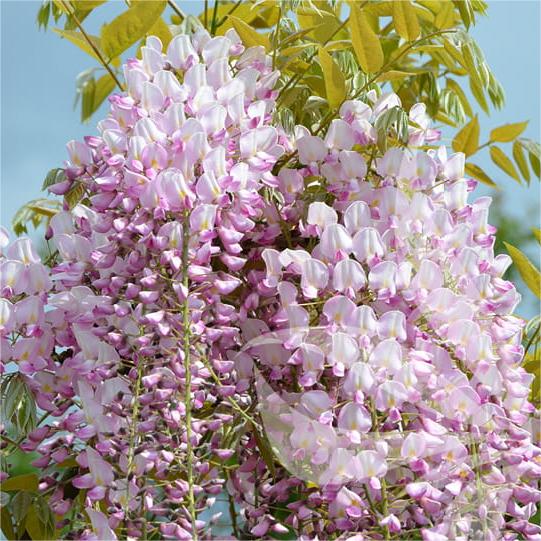
Wisteria floribunda Rosea Pink ‘Hon-beni’
Spring Wisteria Care: Encouraging Strong Growth & Blooms
Spring is the most exciting season for wisteria growers. As temperatures rise, your plant begins to produce new shoots and flower buds.
What to Do in Spring:
1. Inspect for Winter Damage
Check for broken or frost-damaged branches and prune them back to healthy wood.
2. Apply Balanced Fertilizer
Use a low-nitrogen fertilizer to encourage flowering rather than excessive leafy growth. Too much nitrogen may reduce blooming.
3. Provide Structural Support
Ensure trellises, pergolas, or arbors are sturdy. Wisteria vines become heavy as they grow.
4. Water Regularly
Keep soil evenly moist, especially during dry periods. Young plants need more consistent watering.
5. Watch for Pests
Monitor for aphids or scale insects and treat early if necessary.
Spring is also the ideal season to plant new nursery-grown wisteria for strong root establishment.
Summer Wisteria Care: Managing Growth & Pruning
Summer is the peak growing season for wisteria. Without proper pruning, it can become overly vigorous.
What to Do in Summer:
1. Summer Pruning
Trim back long, whippy shoots to about 5–6 leaves. This helps control size and encourages better flowering next season.
2. Continue Watering During Heat
Deep watering once or twice a week is better than frequent shallow watering.
3. Mulch Around the Base
Apply organic mulch to retain soil moisture and regulate temperature.
4. Train New Growth
Tie young shoots to support structures to maintain shape and structure.
Proper summer maintenance keeps your vine looking tidy and prevents it from overtaking nearby plants or structures.
Fall Wisteria Care: Preparing for Dormancy
As temperatures cool, wisteria begins to slow down and prepare for winter dormancy.
What to Do in Fall:
1. Reduce Fertilization
Stop fertilizing to allow the plant to harden off before winter.
2. Light Cleanup Pruning
Remove dead or weak stems, but avoid heavy pruning at this time.
3. Clear Fallen Leaves
Remove plant debris to reduce disease risk.
4. Check Support Structures
Ensure pergolas and trellises remain secure before winter winds arrive.
Fall is also a good time to plant wisteria in milder climates, allowing roots to establish before spring.
Winter Wisteria Care: Dormant Season Maintenance
Wisteria is deciduous and will lose its leaves in winter. While the plant appears inactive, it still benefits from proper care.
What to Do in Winter:
1. Perform Major Structural Pruning
Winter is the best time for heavy pruning. Cut side shoots back to 2–3 buds to encourage strong spring flowering.
2. Protect Young Plants
In colder climates, apply mulch around the base to protect roots from freezing temperatures.
3. Minimal Watering
Water sparingly, especially in regions with winter rainfall.
4. Inspect for Structural Stability
Winter is a great time to reinforce support systems before rapid spring growth begins.
Dormant-season pruning is crucial for controlling size and maximizing bloom production in the coming year.
Year-Round Tips for Healthy Wisteria
-
Choose a location with full sun (at least 6 hours daily)
-
Ensure well-draining soil
-
Avoid excessive nitrogen fertilizers
-
Be patient—some varieties take 2–3 years to bloom fully
-
Train plants early for best structural results
With consistent seasonal care, wisteria can thrive for decades and become a stunning focal point in any landscape.
Why Proper Seasonal Care Matters
Many gardeners struggle with issues like:
-
Wisteria not blooming
-
Excessive leafy growth
-
Overgrown vines
-
Weak flowering
Most of these problems are directly linked to improper pruning or fertilizing at the wrong time of year. Following a seasonal care routine ensures balanced growth and reliable flowering.
Looking for Premium Wisteria Plants?
If you’re planning to grow wisteria or expand your garden collection, explore our selection of high-quality nursery-grown plants at:
Our carefully cultivated plants are healthy, strong, and ready to thrive in your landscape.