


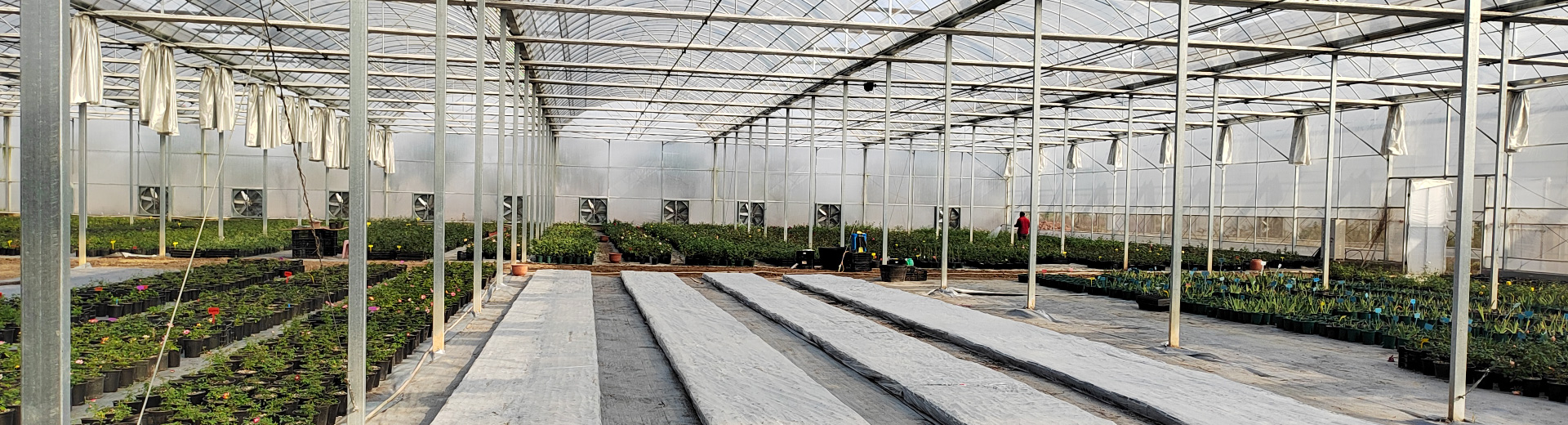
Common Lilac (Syringa vulgaris) is one of the most popular flowering shrubs in the world, well known for its fragrant spring blooms, strong adaptability, and ornamental value. Widely used in gardens, parks, and landscaping projects, Common Lilac is a classic choice for both residential and commercial planting.
In this article, we cover everything you need to know about Common Lilac, including its characteristics, growing conditions, care requirements, landscape uses, and why it remains a top choice for plant suppliers and buyers worldwide.

Syringa Vulgaris
What Is Common Lilac (Syringa vulgaris)?
Common Lilac, scientifically known as Syringa vulgaris, is a deciduous flowering shrub native to southeastern Europe. It typically grows 3–6 meters (10–20 feet) tall and produces dense clusters of purple, lavender, pink, white, or blue flowers in spring.
Its strong fragrance, cold hardiness, and long lifespan have made it a favorite in traditional and modern landscapes alike.
Key characteristics of Common Lilac:
- Botanical name: Syringa vulgaris
- Plant type: Deciduous flowering shrub
- Mature height: 3–6 m
- Bloom season: Mid to late spring
- Flower colors: Purple, lavender, white, pink, blue
- Fragrance: Strong and sweet
Why Is Common Lilac So Popular?
1. Exceptional Fragrance and Visual Appeal
Common Lilac is best known for its intensely fragrant flowers, which attract pollinators such as bees and butterflies while creating a pleasant garden atmosphere.
2. Cold Hardy and Long-Lived
Common Lilac is highly cold-resistant and performs well in temperate and cold climates, making it suitable for large-scale landscape planting.
3. Low Maintenance
Once established, Common Lilac requires relatively little maintenance, making it ideal for public landscaping and residential gardens.
4. Versatile Landscape Use
It works equally well as:
- A standalone ornamental shrub
- A flowering hedge or screen
- Part of mixed borders or parks
Ideal Growing Conditions for Common Lilac
To achieve healthy growth and abundant flowering, Common Lilac needs the right environment.
Sunlight
- Requires full sun (at least 6 hours per day)
- Insufficient sunlight often leads to poor flowering
Soil
- Well-drained, fertile soil
- Slightly alkaline to neutral pH is ideal
- Avoid waterlogged or overly acidic soils
Climate
- Best suited for temperate regions
- Requires a cold winter period to promote blooming
How to Plant Common Lilac
Proper planting is essential for long-term performance.
Planting tips:
- Choose a sunny, open location with good air circulation
- Dig a hole twice the width of the root ball
- Plant at the same depth as in the nursery
- Water thoroughly after planting
- Apply mulch to retain moisture and suppress weeds
Common Lilac Care and Maintenance
Watering
- Moderate watering during establishment
- Drought-tolerant once mature
Fertilizing
- Light fertilization in early spring
- Avoid excessive nitrogen, which promotes leaves over flowers
Pruning
- Prune immediately after flowering
- Remove old, weak, or dead branches
- Proper pruning encourages stronger blooms next season
Why Is My Common Lilac Not Blooming?
Lack of flowering is a common concern. The most frequent causes include:
- Insufficient sunlight
- Over-pruning at the wrong time
- Excessive nitrogen fertilizer
- Plants that are too young
Correcting these factors usually restores healthy blooming.
Popular Uses of Common Lilac in Landscaping
Common Lilac is widely used in:
- Residential gardens and courtyards
- Public parks and green spaces
- Roadside and municipal landscaping
- Privacy hedges and windbreaks
Its strong ornamental value and seasonal impact make it especially attractive for landscaping projects.
Why Choose Common Lilac from a Professional Supplier?
For landscape contractors, wholesalers, and garden centers, sourcing from a reliable supplier is essential.
A professional Common Lilac supplier can provide:
- Healthy, well-rooted plants
- Consistent quality and true varieties
- Bulk supply for landscaping projects
- Expert guidance on planting and care
High-quality nursery stock ensures better survival rates and long-term performance in the field.
Conclusion
Common Lilac (Syringa vulgaris) remains a timeless flowering shrub valued for its fragrance, beauty, hardiness, and ease of care. Whether for home gardens or large-scale landscaping, it is an excellent investment for both growers and buyers.
If you are looking for a reliable Common Lilac supplier, choosing healthy plants from an experienced nursery will ensure outstanding results in any planting project.
Contact us today to learn more about Jftree Common Lilac varieties, availability, and supply solutions for your market.